

How Digital Communication Technology Supports Online Identity Verification
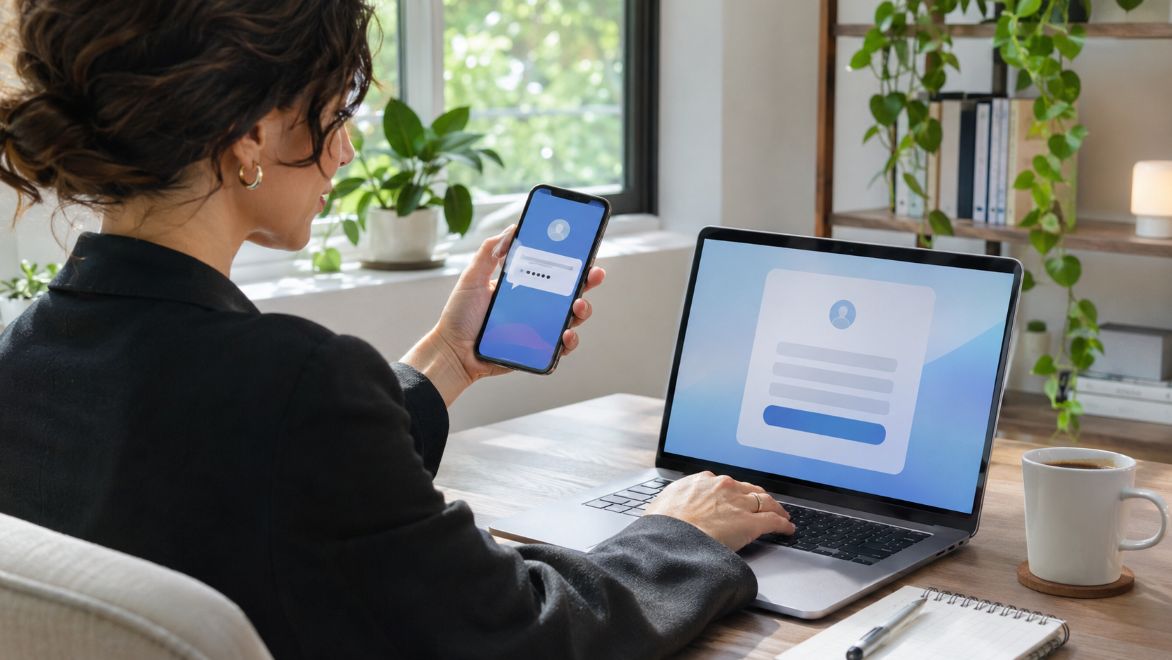
Digital communication networks play an important role in verifying user access across online platforms. Banking applications, social networks, and online marketplaces use telecommunications systems to confirm that users can receive security messages. These systems connect mobile carriers, messaging infrastructure, and authentication software. Together, they help platforms manage account registration, login attempts, and account recovery.
Phone verification also raises questions about privacy and the information users must share. Some people prefer alternative numbers when registering for online services. For example, a US temp phone number may receive verification messages from compatible platforms without exposing a primary mobile number. However, acceptance depends on the service’s verification policies, number classification, and security requirements.
How Communication Networks Support Digital Identity
Online identity verification depends on several connected technologies. Telecommunications networks carry messages, while authentication platforms manage security checks. Application programming interfaces, or APIs, allow websites to communicate with messaging providers without building their own telecommunications infrastructure.
The National Institute of Standards and Technology (NIST) explains that digital authentication establishes whether someone attempting access controls an accepted authentication method. Phone verification can demonstrate access to a registered communication channel. However, receiving a message does not independently establish someone’s legal identity.
This distinction matters because platforms use verification for different purposes. A discussion forum may only need basic account confirmation. Financial institutions may require additional identity checks to meet security and regulatory obligations.
What Happens When a Website Sends an SMS Verification Code?
SMS verification follows a sequence that connects software systems with telecommunications networks. Although the process appears simple to users, several technologies operate behind the scenes.
From Code Generation to Message Delivery
When someone requests verification, the authentication platform generates a one-time password, commonly called an OTP. The code remains valid for a limited period and is linked to a particular verification request.
The Twilio Verify API documentation describes a process involving verification requests, message delivery, and code validation. The website initiates the request through an API. An SMS gateway then connects the application to telecommunications providers that route the message toward the destination number.
The process generally involves these stages:
- The user enters a phone number during registration or login.
- The application requests a temporary verification code.
- An SMS gateway transfers the message into the telecommunications network.
- Mobile carriers route the text toward the receiving number.
- The user enters the code, and the authentication platform checks its validity.
Successful verification confirms access to the receiving channel at that moment. Delivery may still fail because of network conditions, routing restrictions, carrier filtering, or unsupported number types.
Traditional SIM Numbers: Familiar and Widely Supported
Traditional mobile numbers usually operate through physical SIM cards or embedded SIM technology, known as eSIM. These connect devices to mobile network operators and provide access to voice calls, messaging, and mobile data.
For everyday users, SIM-based numbers offer a familiar verification method. They are generally suitable for services requiring an ongoing phone number, provided the carrier maintains coverage and the account remains active.
However, SIM-based verification has security weaknesses. The Federal Trade Commission (FTC) warns that SIM-swapping fraud can allow criminals to take control of a victim’s phone number and intercept authentication messages.
Therefore, a traditional mobile number provides convenience but should not serve as the only protection for sensitive accounts.
VoIP Numbers Offer Flexibility, but Compatibility Varies
Voice over Internet Protocol, or VoIP, carries communications through internet-based systems rather than relying entirely on traditional cellular connections. Some VoIP providers offer numbers that support messaging, depending on their infrastructure and service arrangements.
These numbers can be convenient for remote workers, businesses, and users managing communications across different locations. They may operate through applications without requiring a separate cellular device.
However, some online platforms restrict VoIP numbers during verification. Their systems may classify certain internet-based numbers as higher risk or unsuitable for particular account types.
As a result, accessibility does not guarantee verification compatibility. Users must consider the receiving service’s rules before selecting an internet-based number.
What Changes With Temporary Non-VoIP Numbers?
Temporary non-VoIP numbers are generally associated with conventional telecommunications numbering infrastructure rather than internet-only voice services. Providers may offer access for a limited period, although their actual routing arrangements and number classifications can differ.
These numbers can separate occasional online registrations from someone’s everyday communications. They may also reduce unnecessary exposure of a primary number when a compatible service permits alternative contact details. However, phone number selection is only one aspect of digital privacy. Some users also explore VPNs and proxies for geo-spoofing to understand how internet connections can affect apparent location and online access. These technologies serve different purposes, and changing an IP address does not guarantee that a platform will accept a particular phone number for verification.
However, temporary access creates challenges. Messages may become unavailable after expiration, and numbers can eventually be reassigned. This can complicate password recovery or future account verification.
How Do the Three Options Compare?
- Infrastructure: SIM numbers use cellular subscriptions. VoIP numbers rely on internet-based communication systems. Temporary non-VoIP numbers typically use telecommunications-based message routing.
- Accessibility: SIM numbers require an active mobile subscription. VoIP and temporary services may provide remote access, depending on the provider.
- Compatibility: Traditional mobile numbers generally receive broader support. Acceptance of alternative numbers varies across platforms.
- Reliability: All options depend on provider availability, routing, and message delivery conditions.
- Account security: Long-term control of a number matters, especially when platforms use SMS for account recovery.
Why SMS Verification Is No Longer Enough
SMS remains accessible because mobile messaging is familiar and widely available. Yet stronger authentication technologies are reducing the need to deliver security codes through telephone networks.
Passkeys and Biometric Authentication
The FIDO Alliance describes passkeys as authentication credentials based on public-key cryptography. They are linked to legitimate websites and can resist phishing attempts that trick users into sharing passwords or verification codes.
Biometric checks, such as fingerprints or facial recognition, can unlock passkeys locally. The biometric information stays on the user’s device rather than being transmitted to the website.
Encrypted Connections and Automated Fraud Detection
Encrypted communication helps protect information exchanged between applications and authentication services. HTTPS, for example, secures API communication against interception during transmission.
Meanwhile, automated security systems examine suspicious login patterns. Google Cloud documents fraud-detection tools that evaluate account behavior, unusual activity, and indicators of possible account takeover.
These technologies complement authentication methods by identifying risks that a correctly entered SMS code might otherwise miss.
The Future of Connected Identity Verification
Telecommunications networks will continue supporting digital identity systems, particularly where mobile messaging remains accessible. However, authentication strategies are becoming more varied as platforms adopt passkeys, device-based credentials, and risk-sensitive security checks.
The strongest approach depends on the sensitivity of the account and the user’s ability to maintain access. Reliable communication channels, secure recovery options, and responsible personal data handling remain essential. As verification technology develops, balancing convenience, privacy, and security will remain an important priority.