

Can Cooperative Online Gaming Improve Communication and Teamwork?
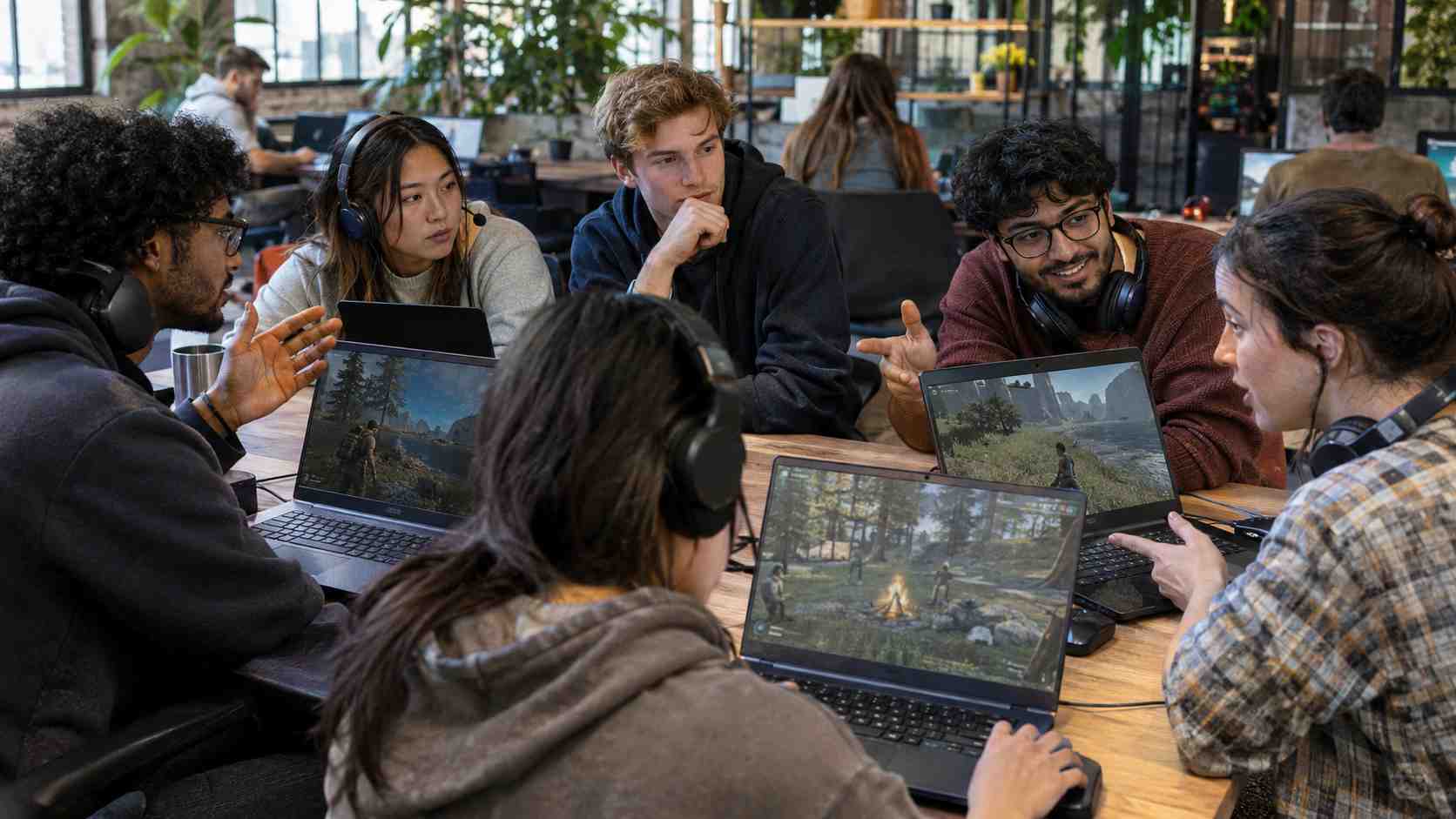
Online multiplayer gaming has evolved from simple competitive matches into digital spaces where people communicate, create, and solve problems together. Modern games allow participants to build communities, explore virtual environments, and complete shared challenges. These activities raise an interesting question: Can cooperative gaming help people develop stronger communication and teamwork skills?
The answer depends on how players interact. Cooperative environments, including PvE survival, encourage participants to work toward common objectives while managing resources and overcoming computer-controlled challenges. Such experiences may create opportunities to practice leadership, negotiation, and collaboration. However, the benefits are not guaranteed. Game design, community culture, and individual behavior all influence the quality of these interactions.
How Cooperative Games Encourage Better Communication
Cooperative games create situations where communication serves a practical purpose. Players must exchange information, coordinate actions, and make decisions that affect the entire group. Unlike individual gameplay, success often depends on understanding what teammates need and responding appropriately.
A 2021 study published in Human Communication Research, titled A Recipe for Success, examined the relationship between cooperative gameplay, communication, and performance on subsequent nongaming tasks. The research highlights the importance of communication when examining how shared gaming experiences may influence teamwork.
Shared Objectives Create Reasons to Communicate
Consider a multiplayer adventure where participants must construct a shelter before nightfall. One player gathers wood, another collects food, and someone else organizes defensive structures.
Completing these tasks requires regular updates. Participants must explain their progress, request assistance, and adjust plans when unexpected problems occur.
These exchanges resemble basic workplace collaboration. Teams benefit when members understand responsibilities, communicate obstacles, and coordinate their contributions.
Research published in Simulation & Gaming examined how students used Minecraft to develop skills involving communication, creativity, critical thinking, and collaboration. Its findings suggest that structured virtual activities can provide opportunities for practicing these abilities.
Different Communication Tools Support Different Needs
Multiplayer environments offer several ways to exchange information.
Text chat allows players to share instructions, record plans, and communicate without speaking. Voice communication supports faster responses during demanding situations. Collaborative construction gives participants another way to express ideas through visible actions.
The importance of real-time communication technology becomes particularly clear when players must coordinate actions quickly. Reliable voice chat, stable connections, and timely updates help teammates respond to changing situations. These tools are valuable in competitive matches, but they also support cooperative activities where participants depend on one another.
Each method has limitations. Written messages can lack emotional context, while voice conversations may become confusing when several people speak simultaneously.
Effective cooperation therefore requires players to choose suitable communication methods and confirm that teammates understand important information.
Why Cooperation Does Not Always Improve Teamwork
Shared objectives can encourage collaboration, but they cannot eliminate interpersonal difficulties. Online environments bring together people with different backgrounds, communication styles, expectations, and experience levels.
These differences sometimes make coordination harder rather than easier.
Language Barriers and Misunderstandings
International gaming communities often include participants who speak different languages. Even when everyone uses English, unfamiliar expressions and gaming terminology can create confusion.
Short messages may also sound more critical than intended. A player requesting immediate assistance might appear demanding, despite having no intention of offending teammates.
Communication problems become more serious when participants assume others understand instructions without checking.
Conflicting Priorities and Unequal Participation
Players do not always share identical expectations.
Some prefer careful planning, while others enjoy spontaneous exploration. Experienced participants may prioritize efficiency, whereas beginners might need additional time to learn.
These differences can produce frustration when responsibilities become uneven.
A particularly active participant might dominate decisions, leaving quieter teammates with little opportunity to contribute. Consequently, completing a mission successfully does not necessarily mean everyone experienced meaningful teamwork.
Disruptive Behavior Can Undermine Trust
Toxic behavior presents another challenge.
The Anti-Defamation League, through its 2023 Hate Is No Game report, documented harassment and harmful interactions in online multiplayer environments. Its findings demonstrate why respectful communication cannot be assumed simply because players share an activity.
Insults, deliberate obstruction, and exclusion can weaken trust. They may also discourage participants from speaking openly or joining future group activities.
This distinction matters because cooperation requires more than completing objectives. It also involves treating teammates as valued contributors.
What Changes When Game Design Supports Cooperation?
The strongest potential benefits emerge when game mechanics and community expectations encourage constructive participation.
Games can create shared challenges, but communities influence how people respond to them.
Cooperative Survival Versus Competitive Gameplay
Survival-oriented multiplayer environments provide a useful example.
Participants may explore unfamiliar areas, collect resources, build shelters, and defend settlements against computer-controlled enemies. Progress often requires planning and distributing responsibilities across the group.
Competitive player-versus-player environments introduce different priorities. Players may focus on defeating opponents, controlling territory, or protecting individual advantages.
Both formats can require teamwork. However, cooperative survival generally emphasizes collective progress, while competitive encounters place greater attention on outperforming other players.
Research published in Computers & Education Open in 2022 found that structured Minecraft learning activities could encourage collaborative learning processes. This supports the possibility that carefully designed shared tasks can strengthen opportunities for meaningful interaction.
Community Rules Influence Player Behavior
Game mechanics alone cannot establish healthy relationships.
Clear server rules help define acceptable behavior, while moderation gives communities a way to address harassment, cheating, and deliberate disruption.
Transparent expectations can also make participation easier for newcomers.
For example, communities that explain building permissions, resource-sharing practices, and conflict-resolution procedures reduce uncertainty among participants.
These measures cannot prevent every disagreement. However, they provide a foundation for more predictable and respectful interactions.
Practical Ways to Strengthen Online Collaboration
Players who want better teamwork experiences can adopt simple communication habits.
- Establish clear objectives. Agree on immediate priorities before starting complicated activities.
- Assign responsibilities fairly. Match tasks with individual abilities while allowing opportunities to learn.
- Provide regular updates. Share progress, challenges, and changes in plans.
- Communicate respectfully. Use clear instructions and avoid personal criticism.
- Resolve disagreements constructively. Discuss competing ideas and seek solutions that support the group’s objectives.
- Encourage participation. Invite quieter members to contribute without pressuring them.
These habits are useful because they shift attention from individual performance toward shared responsibility.
Teams can also reflect after completing difficult activities. Discussing successful decisions and communication problems may help participants recognize what to improve during future sessions.
Can Gaming Skills Translate Beyond the Screen?
Cooperative online gaming offers opportunities to practice communication, coordination, and collective problem-solving. However, improvement outside gaming should not be assumed.
Research on cooperation suggests that outcomes depend on factors such as trust, participant characteristics, and the nature of shared activities.
Players who communicate thoughtfully and reflect on their experiences may gain more from cooperation than those who simply complete missions together.
Ultimately, multiplayer gaming is neither an automatic teamwork lesson nor a meaningless social activity. Its value depends on how participants interact, how communities manage behavior, and whether shared challenges encourage genuine collaboration.
As digital communities continue developing, thoughtful game design and responsible participation may help make cooperative gaming a useful setting for practicing communication and teamwork.